Drought: Watch Out for Second Order Effects
The risk from drought sounds simple. There’s no water. Rivers dry up, animals die, crops fail. But the second order effects may catch you out...
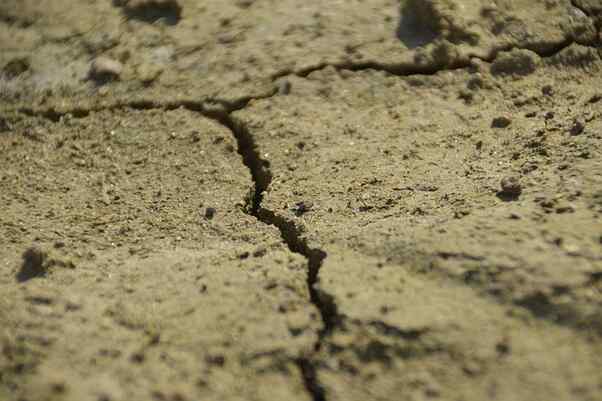
The 2026 drought in much of Europe has introduced many people to an experience more familiar in other parts of the world. Rivers are drying up and crops are failing as a direct result. But it’s the second and third order effects of drought which are likely to catch us by surprise.
The Drop in River Levels
- A significant drop in river or canal levels affects inland river transport. Rivers which were navigable cease to be, or are only navigable by smaller vessels. Inland waterways are often the cheapest or only practical way of moving bulk materials or foodstuffs. The price of raw materials or bulk foodstuff transported by river or canal will increase (or the availability drop) as they have to be transported by road or rail. A tertiary effect is that, since this will increase demand on road and rail, the shipping cost of other goods may increase, and availability of goods it is no longer economic to transport will drop.
- Drought can also affect sea transport. Ships which want to navigate the Panama Canal depend upon local rainfall for canal levels. When rainfall is reduced for a long period (such as expected during the 2026 El Niño event) the maximum draught of ships (and thus the amount they can carry) is reduced, ships are delayed, and the costs of navigating the canal increase. In other words, the cost of shipping goods between thorough the canal and the transit time may both increase. This may also affect availability for fresh produce or price sensitive goods.
- Power stations require water for cooling. This affects both nuclear and conventional power stations. Power stations are typically located on the coast or on a river to meet the need for cooling. A dropping river level may curtail output or force a shutdown. Industry that requires reliable bulk electricity (which can’t practically be substituted with backup generators) may have to shut down too. Price and availability of products these industries require will suffer too. Industries and offices which suddenly find they need backup power generation (and did not have generators already in place) may find themselves competing for these resources, as well as for the skilled staff necessary to install them.
The Drop in Reservoirs, Lakes, and Groundwater Reserves
- Reservoirs and Lakes provide reserves against temporary drought. Hopefully sufficient rain or snow will fall during the preceding period to keep the reservoirs and lakes reasonably full.
- When a reservoir or lake is associated with hydro-electric generation, the dropping water level may result in decreased or curtailed electricity. As noted earlier, this will affect industries and offices dependent upon power, and may affect the pricing of electricity.
- If a reservoir or lake drops low enough, it may affect areas around it which use the water for irrigation, drinking, or manufacturing.
- This is also true of invisible groundwater reserves. Drinking water or irrigation may require deeper and more expensive wells. Ultimately lack of groundwater may make some crops impractical or may make areas uninhabitable.
Future Food Shortages
- While the effect of a drought on existing crops and animals is obvious, the effects on future crops and herds is less so.
- A herd that must be culled will take years to rebuild. For crops to be planted and flourish, conditions must be suitable for both planting and growth. The effects on prices and availability may be felt for years after a drought. In addition, as customers seek out alternatives the prices of those foodstuffs may also rise. Changing tastes after consumers have been forced to try alternatives may also lead to some permanent loss of demand.
Political Instability
- Increases in prices (especially on basic foodstuffs) have often been the trigger for riots, revolutions and wars, since governments are perceived to have failed in their basic duty to provide for the welfare of their citizens. Even if there is no change in government or policy, the instability may lead to the disruption of supply chains or increased risk of doing business in or with an affected country.
The TL;DR
- The local first order effects are pretty obvious: if you have a local drought you will see them. The second and higher order effects and the longer term effects can easily be missed. You don’t need to have a local drought to be affected. Watch out for disruptions and price increases in critical supply chains, as well as longer term effects on the price and availability of foodstuffs. The temporary closure of power stations due to lack of cooling water can affect many seemingly unrelated industries. Also consider whether there is an increased political risk in any area affected directly or indirectly by the drought.
1 September 2026